2026-10-26 ·
Low Water Pressure in Santee: Common Causes and Fixes
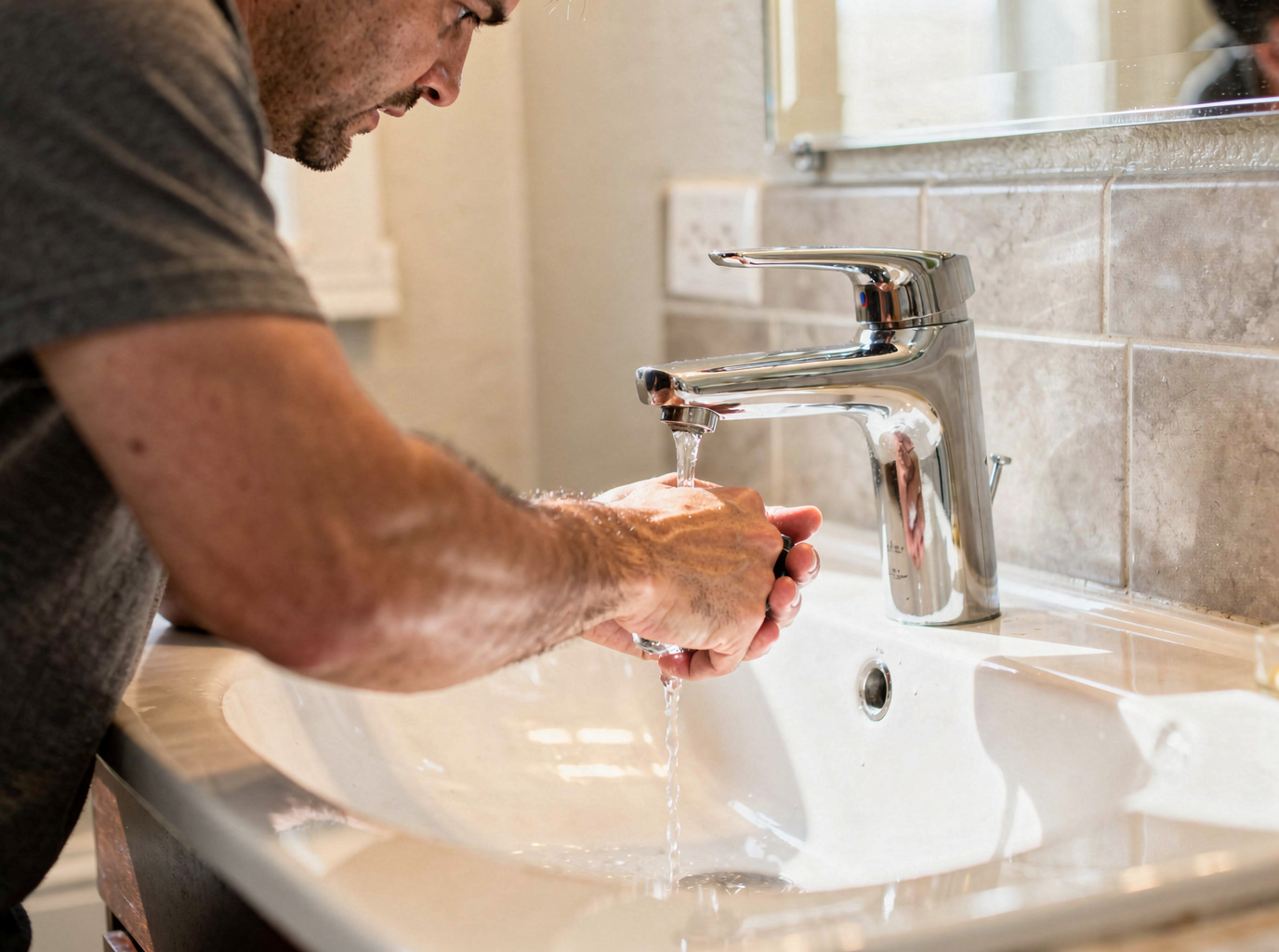
Low water pressure in Santee often results from clogged aerators, partially closed valves or sediment in older galvanized pipes found in Carlton Hills and East Santee homes built before 1980. These issues reduce flow gradually and can be confirmed by testing multiple fixtures. Checking the main shutoff valve near the street or under the house usually reveals if it is fully open. Mild Mediterranean climate with warm dry summers and cool winters means less freeze damage but steady mineral deposits from local water sources affect pressure over time.
Common Causes of Low Water Pressure in Santee
Mineral scale builds inside copper and galvanized lines throughout West Santee and Mission Trails homes because the water carries dissolved calcium from the regional supply. Partially closed main valves or gate valves that have not been exercised in years restrict flow without obvious leaks. Corroded pipes in neighborhoods near Santee Town Center create narrow passages that drop pressure at upstairs fixtures first. Tree roots from Santee Lakes Regional Park properties sometimes press against exterior lines and cause gradual compression. Water heater sediment also limits hot water flow in homes where the tank has not been flushed on a regular schedule.
Homeowners notice the drop most during morning showers or when multiple taps run at once. Checking pressure at the hose bib with a simple gauge gives a baseline reading before any repairs begin. In areas served by the same water district as El Cajon and Lakeside, main line pressure can vary with demand during peak summer months.
Steps to Diagnose Low Pressure at Home
Start by removing aerators and showerheads to clear visible debris, then run the water to see if pressure improves at that fixture alone. Next, locate the main valve and confirm it turns fully counterclockwise without resistance. Compare readings between an outdoor hose bib and an indoor sink to isolate whether the restriction sits inside the house or on the supply side. If pressure stays low across all fixtures, the next step involves checking for leaks under sinks or in crawl spaces common in Santee properties near Mission Trails Regional Park.
Testing hot and cold sides separately shows whether the water heater or its inlet valve contributes to the problem. Recording pressure at different times of day helps rule out temporary municipal fluctuations that affect San Diego County neighborhoods.
Practical Fixes Before Professional Help
Cleaning or replacing aerators and showerheads restores flow in many cases without tools beyond a wrench and vinegar soak. Exercising the main valve by turning it fully open and closed several times often clears minor internal obstructions. Flushing the water heater through the drain valve removes sediment that restricts hot water lines. For homes in Carlton Hills with visible corrosion on exposed pipes, replacing short sections of galvanized line with copper or PEX improves pressure noticeably.
When these steps do not restore normal flow, the issue likely lies deeper in the supply line or at the meter. Plumbing repair addresses these hidden restrictions safely. Persistent low pressure after basic maintenance points to the need for camera inspection of the main line.
When to Schedule Professional Service
Call for help when pressure remains low after cleaning aerators and confirming valves are open, especially if the home sits in older sections of East Santee where galvanized lines are still common. A technician can measure static and dynamic pressure at the meter and trace restrictions without excavation first. Homes near Santee Lakes Regional Park sometimes require hydro jetting to clear root intrusion or scale before pressure returns to normal.